 Back to Articles listing
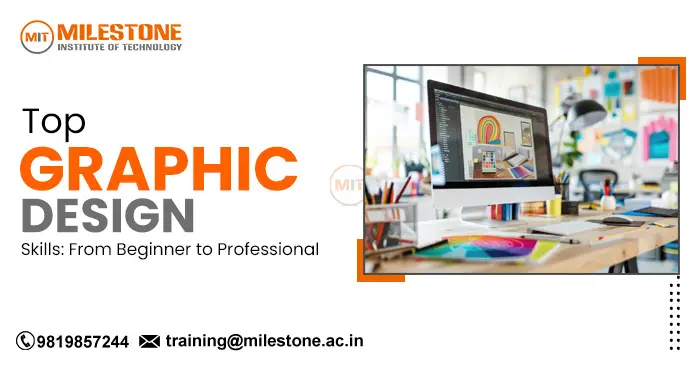
Top Graphic Design Skills: From Beginner to Professional
- February 2, 2026
-
3 Min
- By - MiT
Understanding Core Design Principles
To be successful as a graphic designer, you must develop an understanding of core design principles. Designers use these core principles to create visually pleasing arrangements of elements and to effectively communicate ideas to their audience. The core design principles are balance, contrast, alignment, hierarchy, repetition, and white space.
For people beginning their careers as graphic designers, knowledge of these core principles will help them understand how each principle works together. For experienced professionals, applying the core design principles will come naturally as they work on various types of graphic design projects, including posters, advertisements, websites, and branding.
Software Knowledge and Technical Accuracy
Design software is a significant aspect of a designer’s day-to-day activities. A beginner will generally focus on learning the basics; however, professional designers move beyond basic functions to advanced software use, how to use shortcuts, and how to develop efficient workflows.
The advanced graphic design skills include file management, working with layers, preparing designs for print or digital media, and maintaining design accuracy when working under tight deadlines. A strong understanding of the software will help increase productivity and allow for better overall design quality.
Visual Thinking and Concept Development
A solid concept is the foundation of effective design. Visual thinking helps designers transform an abstract idea into a visual representation, including brainstorming and sketching concepts, selecting visual directions, and ultimately developing the final design.
Through the mastery of graphic design skills, designers understand they are creating with purpose. In creating the design, each element (color, shape, and layout) is used to fulfill a specific message or purpose. This is especially important when it comes to designing for a company’s brand, advertising, and marketing purposes.Typography and Readability
Typography is an important aspect of the graphic design process. It can affect the ease of reading as well as how credible or professional a design looks. Designers need to have a clear understanding of font choice, spacing, alignment, and hierarchy.
Skills associated with professional graphic design include proper font pairing, maintaining consistency in their designs, and ensuring that their work is legible on both screen-based displays and printed media. When a designer uses good typography, it helps clarify the content of the design and allows users to quickly comprehend the designer’s intended message.Color Theory and Emotional Impact
Colors have significant effects on the emotional and behavioral response of humans. Designers need to be aware of how various colors work together and how they impact perception. Beginner designers will learn the basics of color theory and how beginner designers create color strategies to effectively represent the identity of a brand.
Professional graphic designers will consider the relationship between colors in regard to their company values, ensuring that there is enough contrast for clarity in creating readability as well as maintaining balance through visual harmony. Using colors incorrectly may lead to miscommunication between a brand and an audience.Layout Design and Information Structure
The layout of a design determines where the information will flow. A good layout tells the viewer where to look without thinking about it as they go from one element to the next. A bad layout results in visual creating confusion with regard to which piece of paper belongs to which item on the table.
As designers become more proficient in their field, the ability to control spacing, create a grid system and produce visually-balanced designs will mean a greater range of Graphic Design Skills. For this reason, it is important for designers to utilize these skills in all projects including web design, creating images for social media, making presentations, and creating marketing materials.Understanding Clients and Target Audience
A professional graphic designer creates visuals for clients and audiences. A graphic designer can create effective visuals that are relevant to the target audience by understanding that target audience.
A professional graphic designer uses their professional graphic design skills to help them properly interpret the client’s requirements, understand their business goals and create visual solutions based on the client’s ideas. Effective communication also helps reduce the number of revisions required and provides enhanced client satisfaction.Problem Solving and Strategic Thinking
The role of graphic design is to solve problems related to visual communication. Designers frequently face constraints like time, budget, or limited availability of content. Finding creative ways to meet those constraints is an essential skill for any designer. Advanced graphic design skills consist of identifying and analyzing challenges, prioritizing information, and providing creative and pragmatic design solutions. Most employers and clients desire designers who have logical and creative thought processes.Continuous Learning and Industry Awareness
The design profession is constantly evolving. Tools, trends, and styles are constantly being introduced into the design industry. To be successful as a designer, it is essential to remain informed. Graphic designers who continuously improve their graphic design skills will be more likely to remain current, as they learn how to use new tools and trends effectively, and how to operate in a profession with high levels of competition.Conclusion
Graphic design is a skills-based career that demands constant enhancement. Each stage of improving Graphic Design Skills assists in developing your Graphic Design Skills from understanding to practical steps that allow you to improve as a designer.
Beginners need to create a strong base; experienced designers work on their skills, adapt to the industry, and differentiate themselves in graphic design by continuing to improve their skills. Improving graphic design skills allows designers to produce more relevant work for their customers and audiences, build their careers, and add real value to their customers’ businesses.Share this on
-

-

-

Recent Articles
-

Interior Design Course to Become Job-Ready Quickly
-

Tekla Structures Course in Thane – Get Certified & Hired
-

Mechanical Design Career Path: Jobs, Skills and Salary
-
Best CAD course in Thane with Certification | MIT
Archive posts
-
April2026
-
March2026
-
February2026
-
January2026
-
December2025
-
November2025
-
October2025
-
September2025
-
August2025
-
July2025
-
June2025
-
May2025
-
April2025
-
March2025
-
January2025
-
September2024
-
August2024
-
July2024
-
June2024
-
May2024
-
April2024
-
March2024
-
February2024
-
January2024
-
September2023
-
December2022
-
September2022
